How Much Does It Cost to Play Polo? Honest Numbers
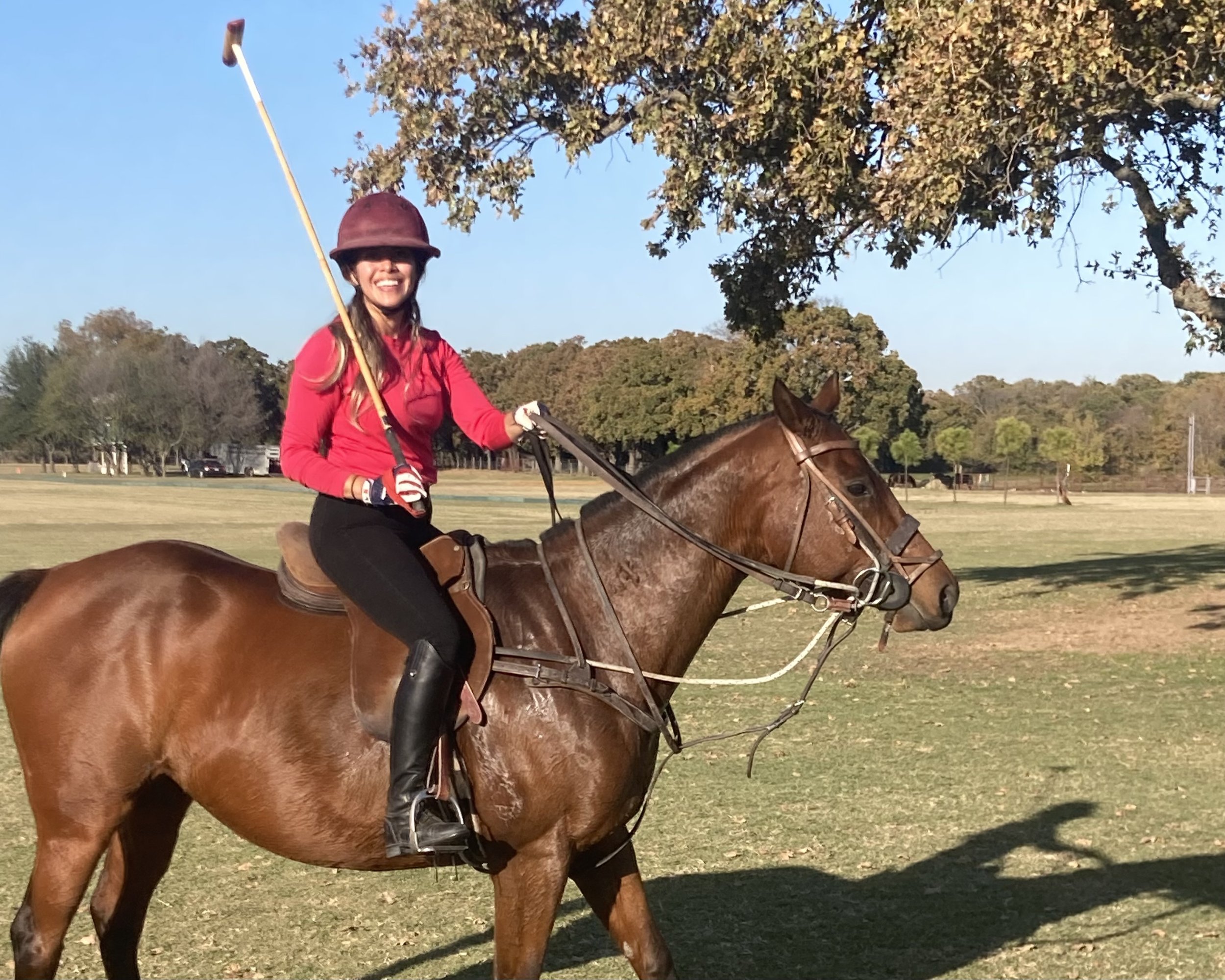
Amanda Leon, International Amateur Polo Players
The short answer: you can learn polo for about the price of any riding lesson habit — roughly $75–150 per lesson in the US — and play seasonally at a club level for a few thousand dollars a year using club horses. The famous, eye-watering costs begin only when you own horses. Nobody should own horses in year one. Here is the whole honest ladder, from a player who has climbed it.
Stage one: learning (year one)
- Lessons: $75–150 each in the US; often less in Argentina, where the peso and the polo gods are kind. Weekly lessons for a season: roughly $2,500–5,000.
- Gear: helmet, knee guards, gloves, boots — $500–900 once, and decent used gear is everywhere.
- Club horses: included in lesson prices at beginner-friendly clubs. This is the entire trick of an affordable start: begin at a proper club and let the horses stay on their payroll.
Stage two: playing (the club member)
Once you're chukker-fit, costs shift to membership and horse access:
- Club membership: wildly variable — $1,500 to $10,000+ per year depending on country, prestige, and whether the clubhouse has a chandelier.
- Chukker fees / horse hire: $50–150 per chukker on hired ponies. A weekly practice habit: a few hundred a month, seasonally.
- Leasing a pony: the smart middle path. A seasonal lease often runs a fraction of ownership, with board sometimes bundled. You get "your" horse without the lifetime subscription.
Stage three: ownership (abandon hope, or budget)
- Buying: a serviceable amateur pony starts around $5,000–15,000; made, competitive ponies run much higher — and you eventually want two or three, because ponies are swapped between chukkers.
- Keeping: board, feed, farrier, vet, exercise — plan on $800–2,000 per horse, per month, depending on region.
- The quiet extras: tack, trailering, tournament entries, the vet visit that always lands the week of the final.
How normal people actually afford it
They lease instead of buy. They play arena polo, which needs fewer horses. They split a horse with a barn friend. They play a season in Argentina, where everything — lessons, horses, asado — costs less and teaches more. Polo has a yacht-money ceiling, but its floor is a riding hobby with better parties.
Half of polo's real cost is chaos — scheduling chukkers, matching horses, chasing the group chat. PoloFlow is the app I'm building to fix exactly that. Club managers and barn owners: get in line at poloflow.com.