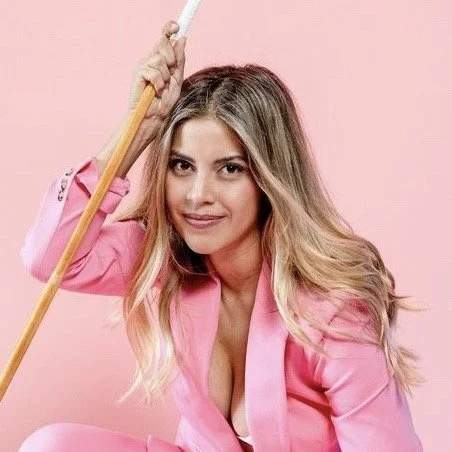
The short answer: Most polo clubs market themselves with a logo on a banner, a sponsor name in the newsletter, and a game schedule nobody can find. The clubs that fill their sidelines answer their messages fast, have a brand you can recognize from across a field, sell the whole day instead of just the match, and give sponsors more than a logo. I learned this as a brand strategist trying to visit every polo club in America in 2021 and 2022.
I run Unrth, a strategic design agency, and I'm a polo player. On my tour, I contacted clubs in more than 35 states and offered every one of them a free strategy consultation. Here's what I saw from the outside, the way a new member, a spectator, or a sponsor would see it.
1. Answer your messages
A visiting player is a paying customer who will tell everyone they know about your club. Yet many clubs never answered my emails, Facebook messages, or voicemails. The ones that answered fastest were on Instagram or answered texts. If one person runs your club's inbox in their spare time, that's your biggest marketing leak.
Fix: pick one channel you'll actually answer within a day, usually Instagram, and put it everywhere.
2. Put the schedule where people look
Several clubs posted game schedules only on Instagram. That's fine if it's consistent. It's a problem if your website says one thing, your Facebook says another, and your schedule lives in a group chat. In Los Angeles, HYT Polo's Thursday night arena chukkers at the Los Angeles Equestrian Center are listed on the Burbank Chamber of Commerce calendar as free to watch. That's how a stranger finds you.
3. Make your brand readable from across a field
When I visited Palm City Polo Club in Florida, I loved how clear its branding was: a palm tree, a horse, and a player. One glance and you know who they are and where they are. Too many clubs use colors and logos that look like every other club, which makes them hard to remember and hard to want.
Color matters more than most clubs think. I wrote about the research in color psychology in branding.
4. Make merch people want to wear
Palm City sent me home with a hat and a shirt. New Orleans Polo Club gave me a hat and a jersey. Seneca Polo Club in Maryland gave me a shirt. Good merch travels farther than any banner, because people wear it in places your banner will never be. Bad merch ends up in a drawer.
5. Sell the whole day
The clubs with the biggest crowds understood that most spectators come for the experience.
Newport Polo, Rhode Island: A few thousand people, great sound, a jumbotron, a good announcer, food trucks, flags, and fans cheering for individual players by name.
Roseland Polo at King Family Vineyards, Virginia: Free polo on a hillside at a winery. It drew more people than I'd ever seen at a polo game, and the money is made on wine.
Farmington Polo Club, Connecticut: Flags, movies on the jumbotron, hunter-jumper riding, and a girls' summer camp.
Tinicum Polo, Pennsylvania: A field in a public park, where I was told 600 to 1,800 people come to watch.
6. Design photo moments
Instagrammable photo spots sell tickets, tailgating spots, and membership interest. A great backdrop, a striking tailgate row, a vintage vehicle in your colors: every photo a guest posts is free advertising with a personal endorsement attached.
7. Turn visitors into stories
After I played at Poway Polo Club in San Diego, the club wrote about it in its newsletter: "We also had Amanda visiting from Sarasota Polo Club. She is on a mission to visit all USPA Polo Clubs in the United States." It cost them a paragraph, and it turned a visitor into a story their members could share.
8. Lower the barrier to play
The friendliest clubs I visited made it easy to start. Poway charged $30 a chukker. In Jackson Hole, players share about ten pros to keep the season affordable. Spokane told me its season is very affordable. If your only offer is a full membership and a string of horses, you've shut out everyone who's curious.
9. Protect the vibe
Joey Casey, who founded Palm City Polo Club, told me he wants the club friendly above everything, to the point of asking people who aren't friendly to leave. Everybody's happy to play, it's fun, and it's safe. Culture is a brand asset. People come back to the clubs where they felt welcome.
10. Give sponsors more than a logo
In most clubs, sponsorship stops at a logo on a jersey, a banner, and a newsletter. Sponsors want more: content they can use, experiences for their customers, and real introductions to a wealthy, loyal audience. A club that builds custom campaigns for sponsors, instead of selling banner space, can charge more and keep sponsors longer.
How to start
This is the Unrth Method™ applied to a polo club. Research who's actually in your stands and who isn't. Form one hypothesis about why the missing people aren't coming. Run one experiment for a full season, measure it, and repeat. For the science of why people choose what they choose, read what neuromarketing actually is.
Run a polo club and want more members, spectators, and sponsors? That's an Unrth project. Start at unrth.com. Want games and horses easier to organize? Get on the list for PoloFlow.
The Unrth Method™ is an original method created and owned by Amanda Leon.