What Is Strategic Design? Getting to the Root of Business Problems
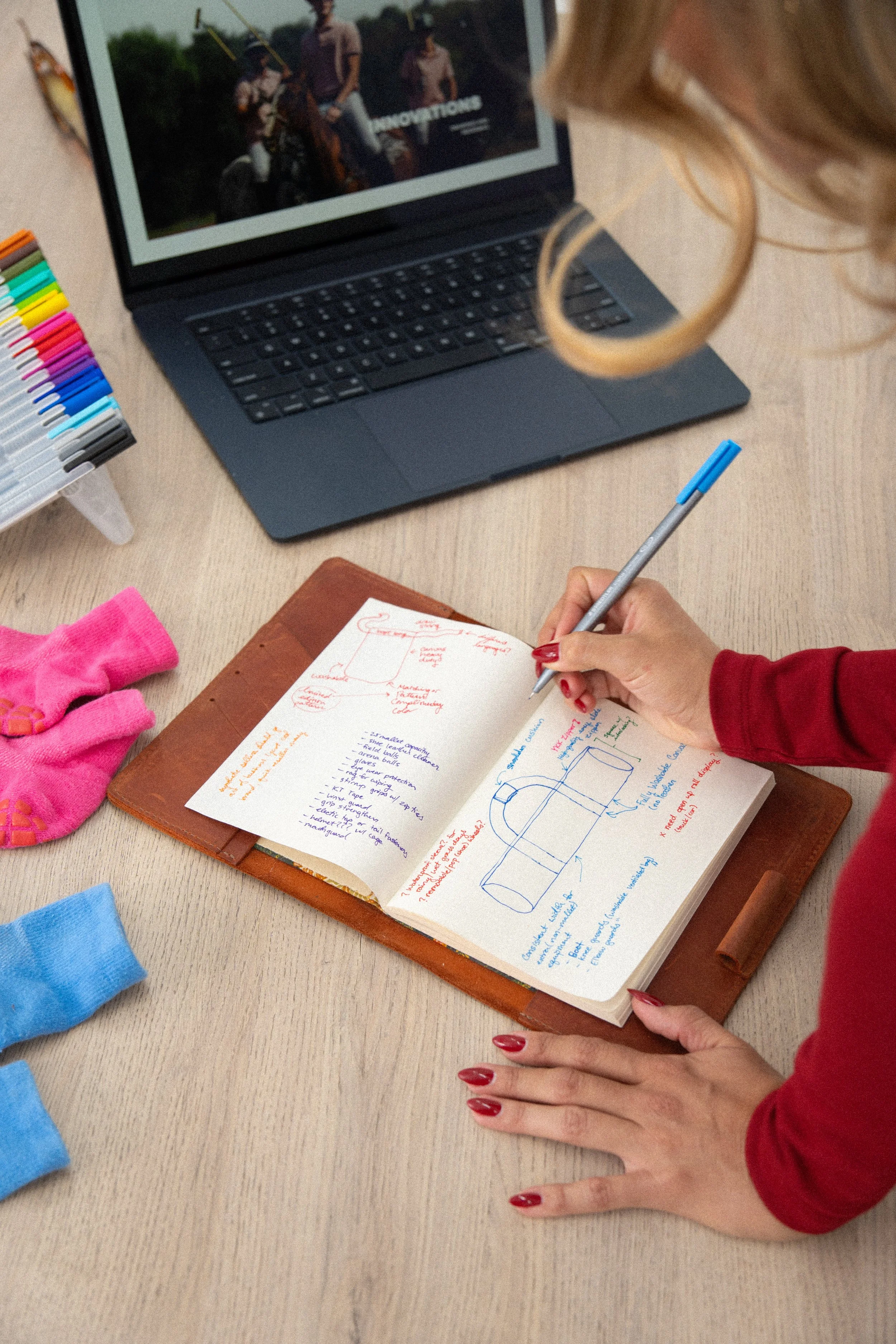
Amanda Leon working on design that solves the ROOT problem at her desk in the office, focused and intentional.
The short answer: strategic design is using a designer's tools — questioning, reframing, prototyping — on the business itself, not just its visuals. A graphic designer makes the thing beautiful. A strategic designer asks whether it's the right thing at all, digs to the root of the problem, and then builds the answer with creativity. It's the difference between painting a door and asking why everyone keeps walking into the wall next to it.
The symptom brief
Nearly every client arrives with a self-diagnosis: "We need a rebrand." "We need more content." "Our website is old." These are symptom briefs. Taking them at face value is how businesses spend $50,000 on a new logo for an offer nobody wants, then blame the logo. A decade of consulting taught me one thing above all: the stated problem is almost never the real problem. The company that "needs a rebrand" usually has a positioning problem. The one that "needs more leads" usually has a conversion problem wearing a traffic costume.
The Unrth Method
My agency is called Unrth because that's the job — unearthing. Four steps:
- Unearth. Dig past the brief. Interview the founder, the customers, the numbers. Keep asking "and why is that?" until the answers stop changing — the root is where the why chain goes quiet.
- Reframe. State the real problem in one sentence the founder has never said out loud. This sentence usually stings. Good. A correctly framed problem is half-solved.
- Create. Now — only now — design. Because the solution answers the root, it's usually smaller, stranger, and cheaper than the symptom's solution would have been.
- Embed. A strategy that lives in a PDF is decoration. The fix gets built into the operations: the offer, the pricing, the onboarding, the words the team says on sales calls.
What it looks like in the wild
A service business begs for a fancier website. Unearthing reveals their best clients all came from referrals — strangers never converted because the offer was illegible, not the site. The strategic move wasn't a redesign; it was renaming and restructuring the core offer so a referral could repeat it at dinner. The website update came later, and it was almost cosmetic.
That's strategic design: creative firepower, aimed by diagnosis. Full-fledged design thinking, minus the sticky-note theater — and with someone accountable for whether the business actually changed. It's also, not coincidentally, how I run my own five brands.
When you need it
You need strategic design when you've solved the same problem twice and it came back. Recurring problems are symptoms on a schedule. Roots don't grow back when you actually pull them.
This is what Unrth does all day: get to the root, then build the beautiful thing on top of it. If your business has a problem that keeps regenerating, bring it to Unrth.