Personal Branding for Oil & Gas Professionals: The Complete Guide
The short answer: a personal brand in oil and gas is simply being findable and credible before the meeting — a profile, a point of view, and a steady trickle of proof that you know your patch of the industry cold. Energy has always run on handshakes and reputation; the handshake just moved online, and most of the industry hasn't followed it there. That lag is your opening.
Why the invisible expert now loses
Twenty years ago your reputation lived in the field, the club, and the conference bar. It still does — but now every buyer, recruiter, and investor also checks the internet between the intro and the meeting, and an empty profile reads as an empty reputation, however unfair that is. Meanwhile the sector faces a widening knowledge gap: a generation of deep expertise is retiring, and the people who can explain energy clearly are suddenly scarce and valuable. Texas taught me how much brilliance hides in this industry behind NDAs and modesty. The market no longer rewards the modesty.
The three pillars of an energy personal brand
- Field credibility. You've been on the pad, run the book, closed the deal. Signal it — years, basins, project types — without breaching a single confidence. Specificity is credibility: "14 years in midstream gathering systems" beats "energy professional" forever.
- A point of view. Not hot takes — a position. Where is your corner of the industry going, and what is everyone getting wrong about it? The energy transition debate is deafening and mostly uninformed; a calm operator's voice stands out like a lighthouse.
- Translation. The rarest skill in energy: explaining complex things in plain English. Every explainer you write does sales calls for you at 2 a.m., forever.
What to actually post
- Deal stories with the serial numbers filed off — the lesson, not the client.
- Plain-English explainers: how gathering agreements actually work, what a frac schedule really depends on, why that headline misread the market.
- Respectful contrarianism: "everyone says X; on the ground it's Y, here's why."
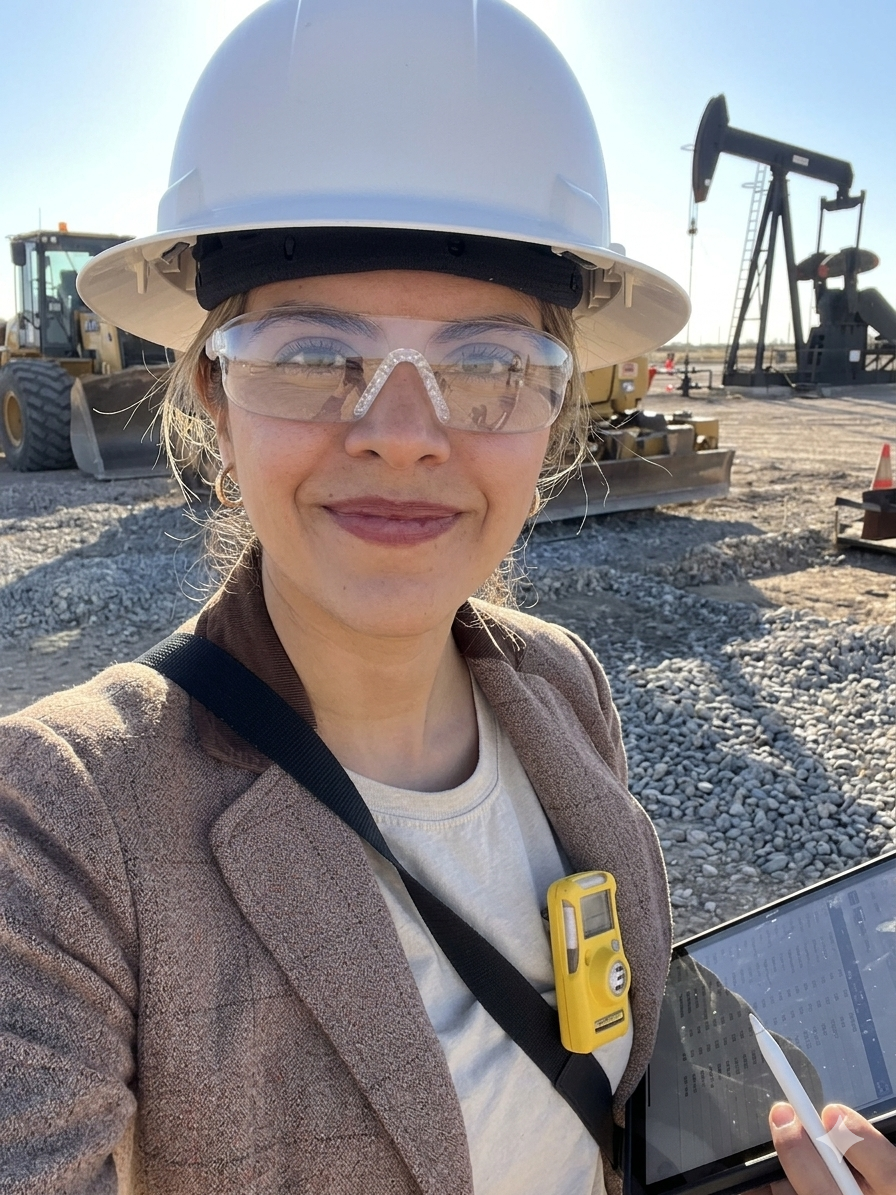
- Field photography. The industry is visually spectacular and almost nobody uses that.
Rhythm beats volume: two posts a week, every week, beats a daily sprint that dies in March. This is a root-cause discipline, not a content hobby — the problem you're solving is trust at scale, and the neuroscience of trust says familiarity plus consistency is the whole recipe.
The 90-day start
Days 1–14: rewrite the LinkedIn profile — headline states who you help and in what corner of energy; banner is the field, not a stock photo. Days 15–45: one explainer and one story per week; comment substantively on five industry posts a week (comments are free distribution). Days 46–90: one flagship piece — the definitive explainer of the thing you know best — then point everything at it. That single asset will outwork a year of scattered posting. More on the mindset shift in How Energy Salespeople Become Thought Leaders.
OilMoney.io exists to do exactly this: mint energy-sector salespeople as thought leaders — positioning, content engine, the whole machine. If you'd rather run the 90 days with a pit crew, get on the list.