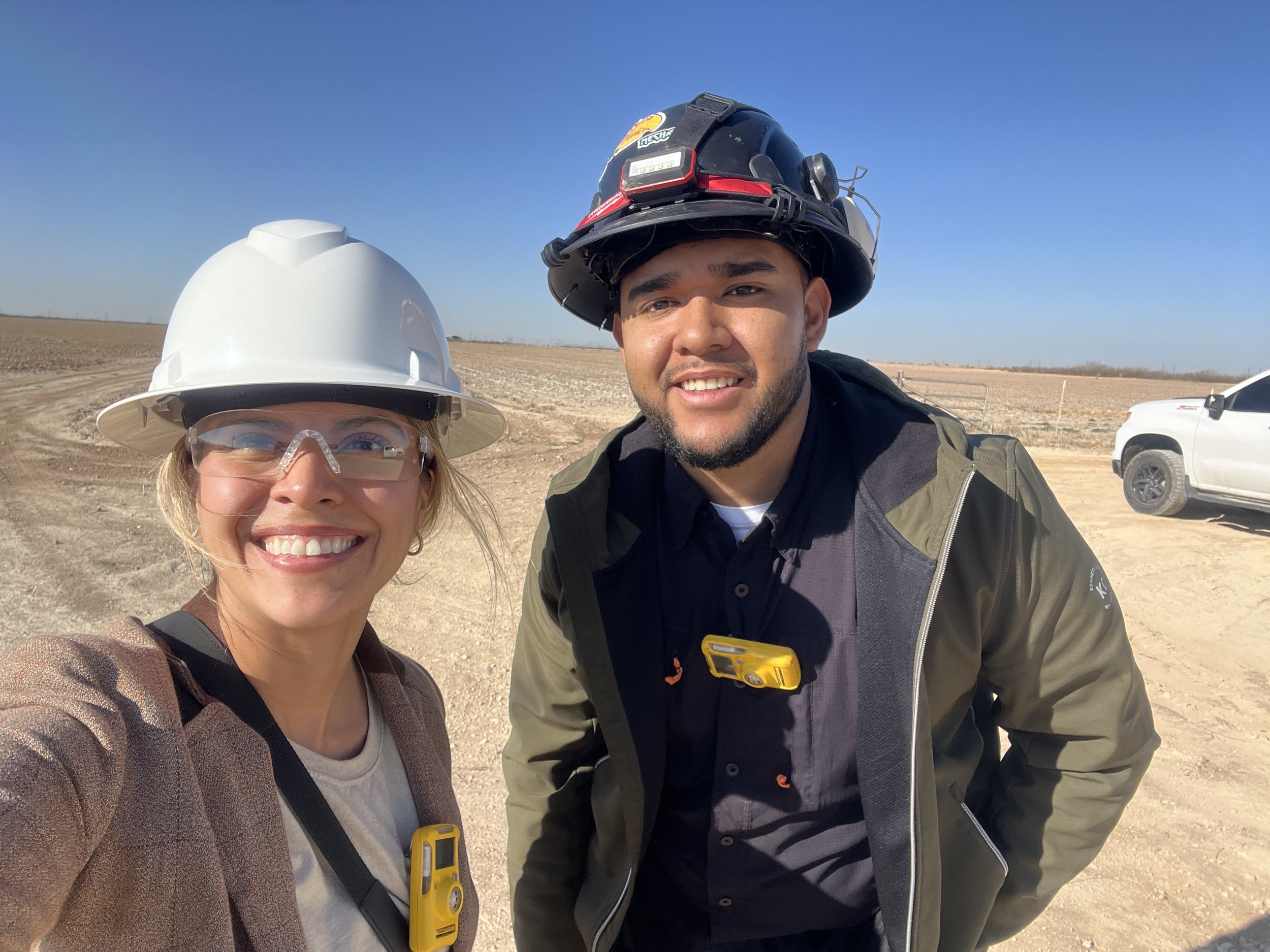
I'm Amanda Leon, a founder and author, educated in Cognitive Neuroscience. I founded Unrth in 2017, and its clients include oil, gas, and industrial companies.
The short answer: thought leadership is an opinion with receipts, published on a schedule. That's it. Not humble-brags, not inspirational carousels, not "agree?" It's an operator's earned point of view, written down where buyers can find it. Energy salespeople resist the label because they've only seen the cringe version. The non-cringe version happens to be the single highest-leverage sales asset in the industry right now.
Why "thought leader" makes you gag, and why that's your advantage
The term was ruined by people with opinions and no receipts. In energy, it's the opposite problem: rooms full of receipts and no opinions in print. That inversion is the opportunity. Every quarter you stay silent, some consultant with a fraction of your field time publishes confidently into the void and gets your calls. Buyers don't ring the most knowledgeable person. They ring the most findable knowledgeable-seeming person. Unfair. Exploitable.
The ladder: practitioner → explainer → voice
- Rung one: practitioner. You already stand here: deals, basins, cycles survived. Nothing to build; everything to disclose.
- Rung two: explainer. Start translating what you know for people one step removed: the banker, the landowner, the new hire, the journalist. Explainers feel "too basic" to you precisely because you're the expert. Publish them anyway; clarity is the product.
- Rung three: voice. After months of explaining, you've earned the right to argue: what the industry is getting wrong, where your niche goes next, which sacred cow needs retiring. A voice with a track record of clear explanations gets listened to instead of scrolled past.
The cringe shortcut people take is jumping to rung three with no rung two: opinions with no receipts. Skip the skipping.
The cringe checklist (never do these)
- Broetry line breaks announcing your 5 a.m. routine.
- Vague "honored and humbled" posts. Say the actual thing.
- Engagement bait ("Agree?").
- Trashing the transition (or cheerleading it) without numbers. Credibility in energy is specificity under pressure.
What to do instead, starting Monday
Write one page on the question customers ask you most. Post it. Repeat weekly. In 90 days you'll have a body of work; in a year, a reputation that walks into meetings ahead of you. The full mechanics (profile, cadence, the flagship piece) live in the complete oil & gas personal branding guide. And if it feels self-promotional, reframe it: you're not promoting yourself, you're solving the buyer's root problem: they can't tell who to trust.
FAQ
What is thought leadership in oil and gas?
An opinion with receipts, published on a schedule: an operator's earned point of view, written down for buyers to read.
How do energy salespeople become thought leaders?
Climb the ladder from practitioner to explainer to voice. Start by writing one page on the question customers ask you most, posting it, and repeating weekly.
What should energy professionals avoid on LinkedIn?
Broetry line breaks, vague "honored and humbled" posts, engagement bait like "Agree?", and opinions about the energy transition without numbers.
For proof that steady, specific content works with technical buyers, see the oil and gas marketing results.
Minting energy salespeople as thought leaders is the entire mission of OilMoney.io. If you want the machine built around you (positioning, ghostwriting, distribution), raise your hand.